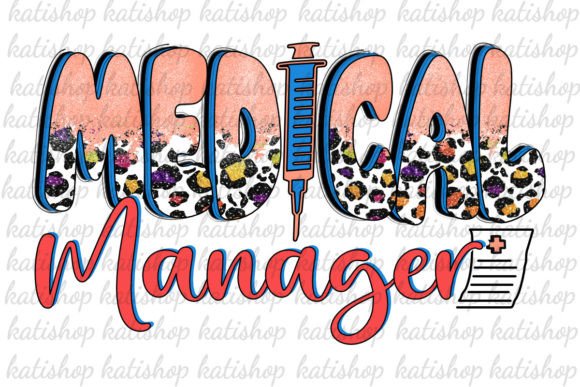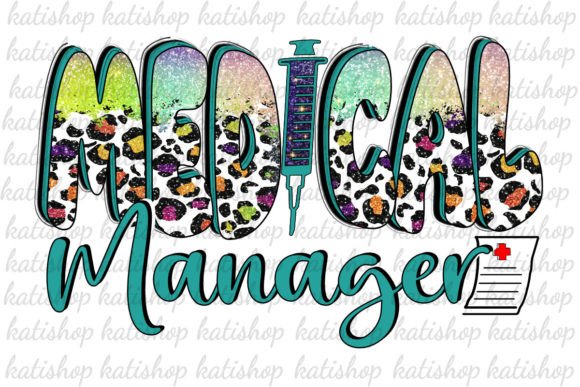
Case Manager Medical Life Sublimation
First Impressions of Case Manager Medical Life Sublimation
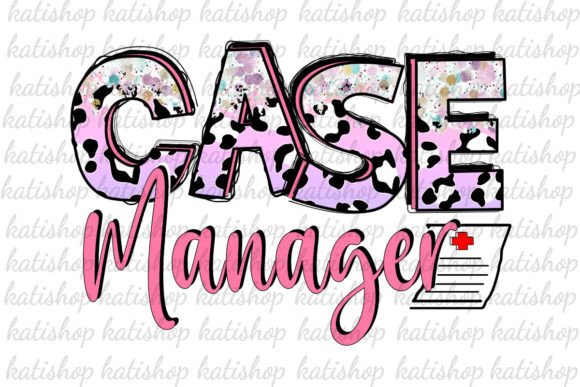
Case Manager Medical Life Sublimation immediately catches the eye with its clean, professional look. The design features a bold, modern font that suggests clarity and organization—perfect for medical or healthcare-related themes. The layout is straightforward, making it easy to visualize on a variety of products. It’s not overly complicated, which means it can be adapted to many different embroidery projects without feeling cluttered.
The design has a slightly formal tone, which makes it ideal for custom apparel, business merchandise, or personalized gifts. It feels like it belongs on a tote bag, sweatshirt, or even a baby onesie with a medical twist. The detail level is sufficient for most applications, but it doesn’t demand excessive stitch density or complex stitching techniques.
Real-Life Use Cases for Case Manager Medical Life Sublimation
Imagine you’re preparing a custom embroidered tote bag for a local clinic or hospital gift shop. Case Manager Medical Life Sublimation would look great as the main design element. It’s versatile enough to work on both light and dark fabrics, though you’d want to test it on your chosen material first. The design isn’t too intricate, so it should hold up well on textured or stretchy fabrics without losing its visual appeal.
For a small business owner or Etsy seller, this design could be a solid addition to a line of medical-themed apparel or home decor. It’s also a good fit for a craft fair booth or boutique product display. The simplicity of the design allows for easy customization, whether you’re adding a name, date, or personal message.
As an embroidery designer, I’d consider using this design for a range of projects, from baby items to holiday gifts. It has a timeless quality that could work well in both professional and handmade settings. However, it’s important to remember that the success of the final product depends on how well the design translates to fabric.
Where to Use Case Manager Medical Life Sublimation Carefully
While Case Manager Medical Life Sublimation is generally easy to work with, there are a few situations where extra care is needed. If you’re planning to use it on a small hoop size, you might need to adjust the design or break it into sections. This is especially true if the design includes fine details or small text.
On thin or stretchy fabrics, the design might not hold up as well. You’ll want to use a proper stabilizer to prevent puckering or distortion. Similarly, if you’re working with dark fabric, you may need to adjust thread colors to ensure visibility. Light-colored fabrics will likely show the design more clearly, but you should still test it before committing to a full project.
For curved surfaces like caps or hats, the design might require some reworking to fit properly. Tiny lettering or detailed corners could be problematic if the stitch density is too high. In those cases, simplifying the design or adjusting the file might be necessary.
Impact on Visual Appeal and Customer Perception
Case Manager Medical Life Sublimation has a strong visual presence that can elevate the perceived value of a handmade product. When stitched correctly, it adds a professional touch that customers will appreciate. It’s particularly effective for commercial embroidery projects where consistency and clarity are key.
As a designer, I know that the right embroidery design can make or break a product. This one has the potential to create a positive impression, especially when used in a way that aligns with the brand or purpose of the item. Whether it’s a personalized gift or a small business merchandise piece, the design contributes to a sense of professionalism and attention to detail.
Customer trust is also influenced by how well a design looks after stitching. If the design is too dense or poorly executed, it can look messy or unrefined. That’s why testing the design on scrap fabric before using it on a finished product is always a good idea.
Practical Embroidery Designer Notes
Before using Case Manager Medical Life Sublimation in any project, I recommend testing it on a scrap piece of fabric. This helps you see how the design looks in real life and identify any issues early on. Check the contrast between the thread colors and the fabric to make sure the design is visible and clear.
Review the stitch density to ensure it’s appropriate for the fabric you’re using. If the design is too dense, it might cause the fabric to pucker or the stitches to become too stiff. Adjusting the density or simplifying parts of the design can help achieve a better result.
Confirm the hoop size required for the design. If you’re working with a limited hoop size, you might need to split the design or resize it. Also, inspect the small details closely to make sure they’re intact and won’t be lost during the embroidery process.
Test the design in black and white mockups to see how it looks without color. Compare it on light and dark fabric backgrounds to determine the best application. Using the right stabilizer is crucial, especially on delicate or stretchy materials.
Finally, check whether the design is suitable for both personal and commercial use. If you plan to sell finished items or digital products, make sure you have the proper licensing. Always confirm the terms before moving forward with any project.